Thai Ginger – Live Starter Plants – Alpinia Greater Galangal – Grow Your Own Vegetables and Fruit in The Garden or Patio
Original price was: $65.50.$32.96Current price is: $32.96.
Description
Alpinia galanga, a plant in the ginger family, bears a rhizome used largely as an herb in Unani medicine and as a spice in Arab cuisine and Southeast Asian cookery. It is one of four plants known as ”galangal”. Its common names include greater galangal, lengkuas, and blue ginger. The name ”galangal” is probably derived from Persian qulanjan or Arabic khalanjan, which in turn may be an adaptation of Chinese gao liang jiang. Its names in North India are derived from the same root, including kulanja in Sanskrit, kulanjan in Hindi, and kholinjan in Urdu. The plant grows from rhizomes in clumps of stiff stalks up to 2 metres (6 ft 7 in) in height with abundant long leaves that bear red fruit. This plant’s rhizome is the ”galangal” used most often in cookery. It is valued for its use in food and traditional medicine. The rhizome has a pungent smell and strong taste reminiscent of citrus, black pepper and pine needles. Red and white cultivars are often used differently, with red cultivars being primarily medicinal, and white cultivars primarily as a spice. The red fruit is used in traditional Chinese medicine and has a flavor similar to cardamom. Alpinia galanga is also called laos in Javanese and laja in Sundanese. Other names include romdeng () in Cambodia; pa de kaw () in Myanmar; kha in Thailand; nankyo in Japan; and hong dou kou in Mandarin Chinese. In Tamil it is known as a ” or ” (”Pae-reeya-ra-thai”), widely used in Siddha Medicine and in culinaries. In Sri Lanka it is known as Araththa ().
- Grown, packaged and shipped exclusively by Wekiva Foliage. Alpinia galanga, a plant in the ginger family, bears a rhizome used largely as an herb in Unani medicine and as a spice in Arab cuisine and Southeast Asian cookery. It is one of four plants known as ”galangal”. Its common names include greater galangal, lengkuas, and blue ginger.
- The name ”galangal” is probably derived from Persian qulanjan or Arabic khalanjan, which in turn may be an adaptation of Chinese gao liang jiang. Its names in North India are derived from the same root, including kulanja in Sanskrit, kulanjan in Hindi, and kholinjan in Urdu.
- The plant grows from rhizomes in clumps of stiff stalks up to 2 metres (6 ft 7 in) in height with abundant long leaves that bear red fruit. This plant’s rhizome is the ”galangal” used most often in cookery. It is valued for its use in food and traditional medicine. The rhizome has a pungent smell and strong taste reminiscent of citrus, black pepper and pine needles.
- Red and white cultivars are often used differently, with red cultivars being primarily medicinal, and white cultivars primarily as a spice. The red fruit is used in traditional Chinese medicine and has a flavor similar to cardamom.
- Alpinia galanga is also called laos in Javanese and laja in Sundanese. Other names include romdeng () in Cambodia; pa de kaw () in Myanmar; kha in Thailand; nankyo in Japan; and hong dou kou in Mandarin Chinese. In Tamil it is known as a ” or ” (”Pae-reeya-ra-thai”), widely used in Siddha Medicine and in culinaries. In Sri Lanka it is known as Araththa ().
Related products
-
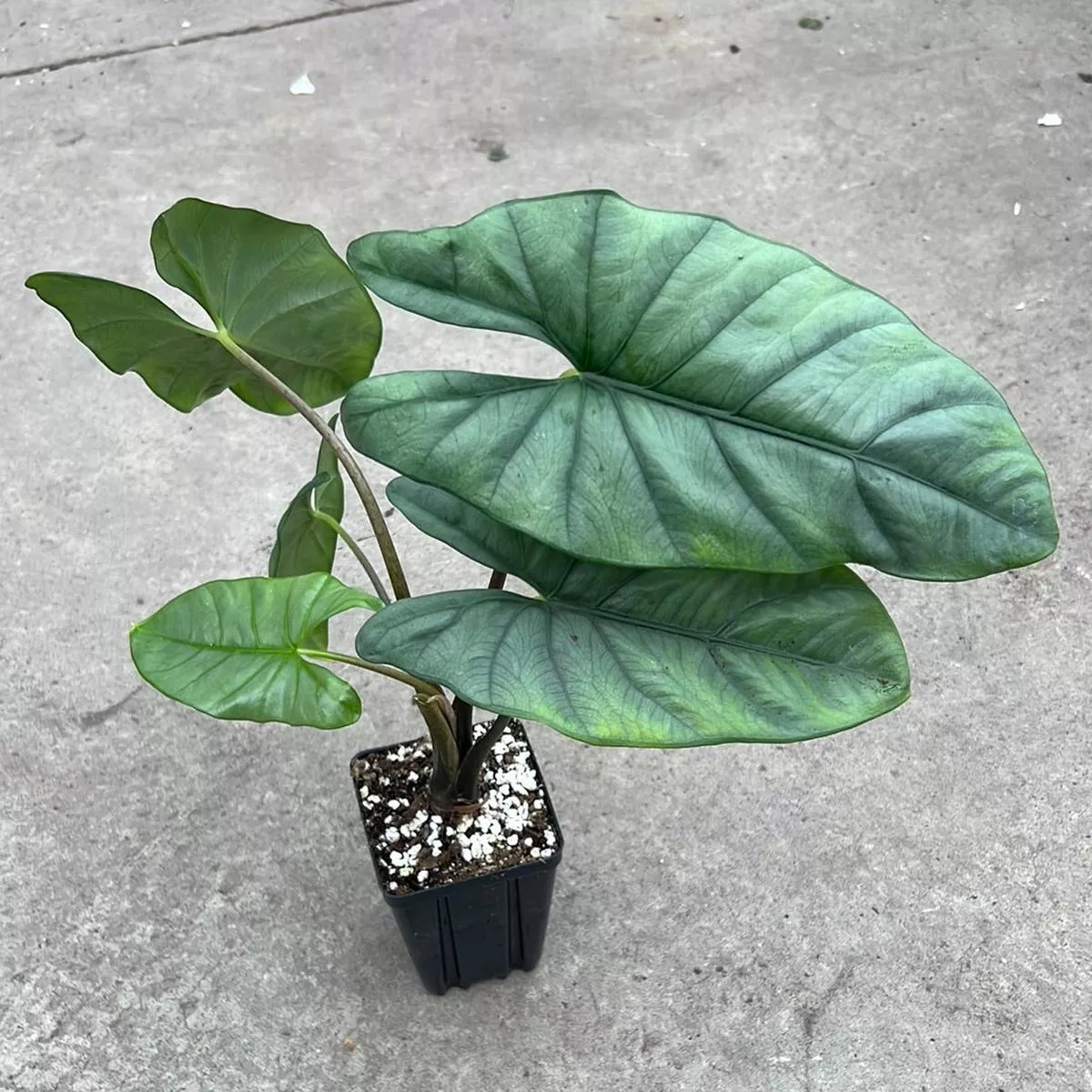
Alocasia’Corazon ’
Original price was: $15.99.$10.64Current price is: $10.64. -
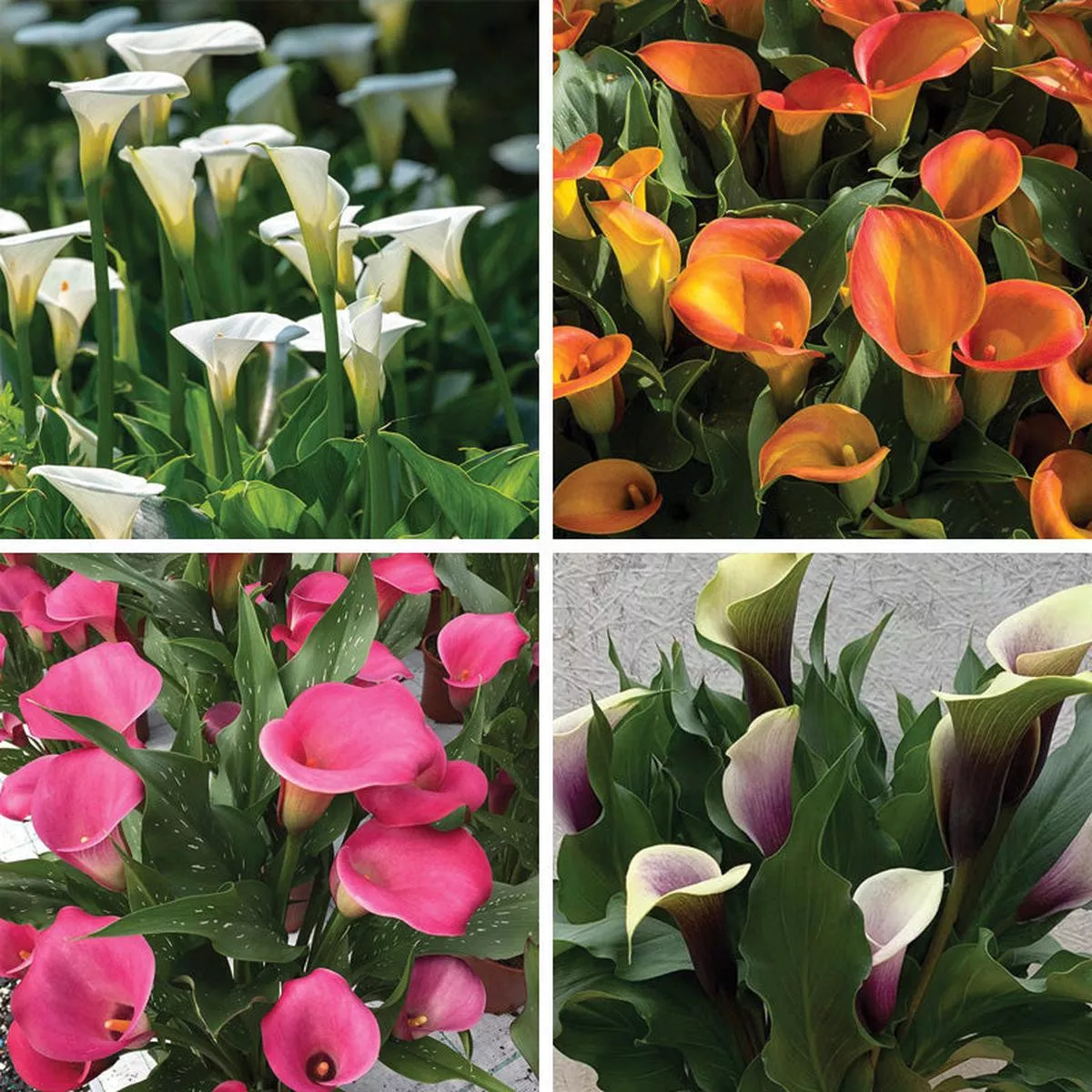
O ’Keeffe-Inspired Calla Lily Mix
Original price was: $21.11.$16.76Current price is: $16.76. -
1-1/4 Globe Dw Dirty Water Valves
Original price was: $55.97.$34.54Current price is: $34.54. -
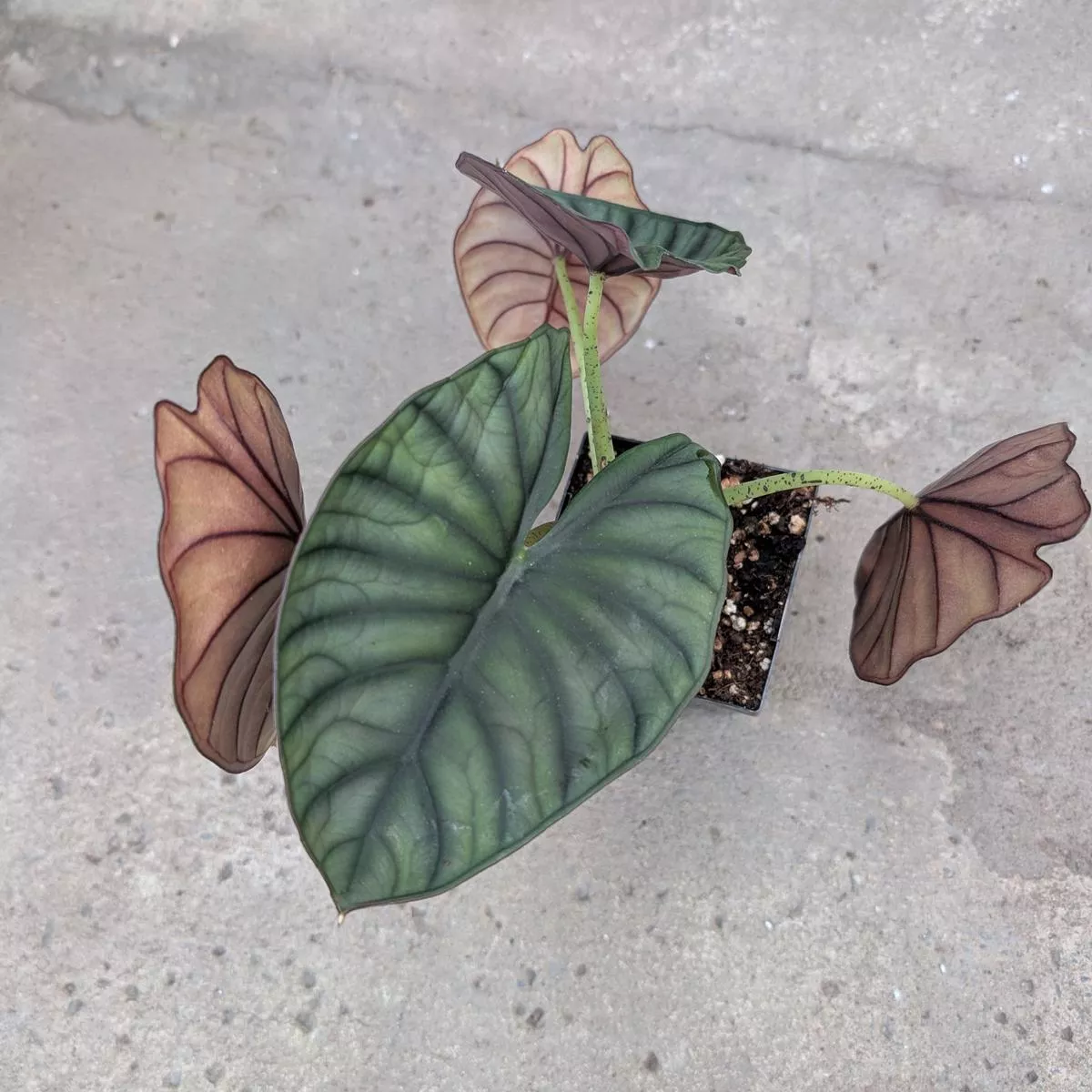
Alocasia nebula’Imperialis ’
Original price was: $23.99.$18.66Current price is: $18.66. -
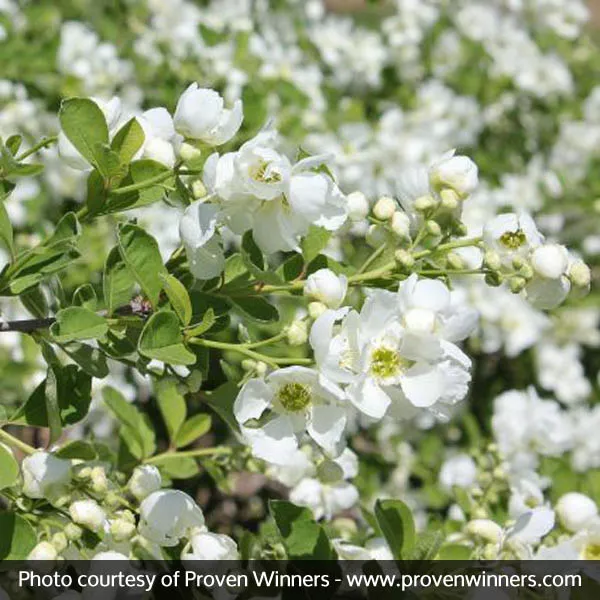
Snow Day Blizzard Pearlbush – Quart Container
Original price was: $14.40.$8.37Current price is: $8.37. -
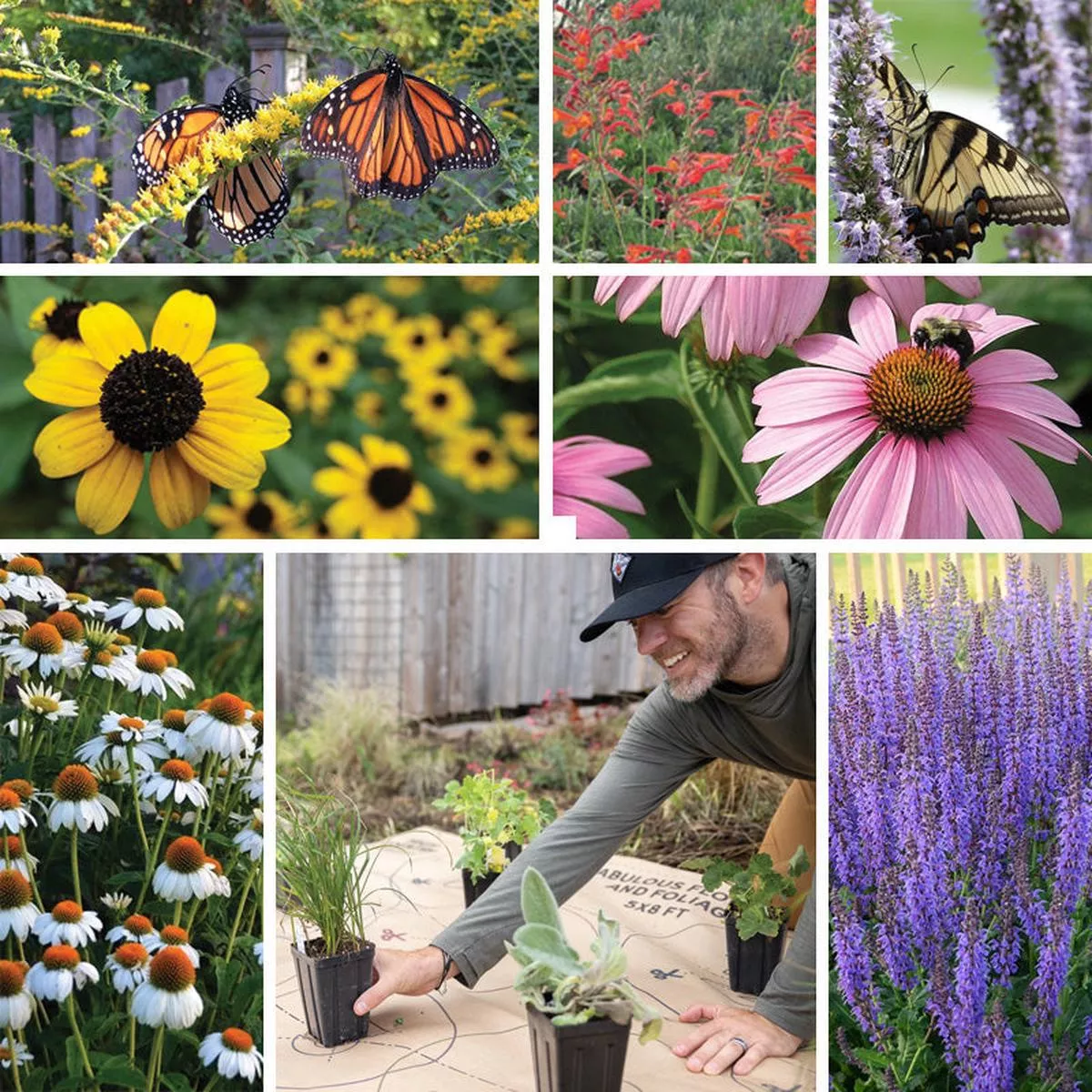
Pollinator Paradise Pre-Planned Garden
Original price was: $48.00.$26.75Current price is: $26.75. -
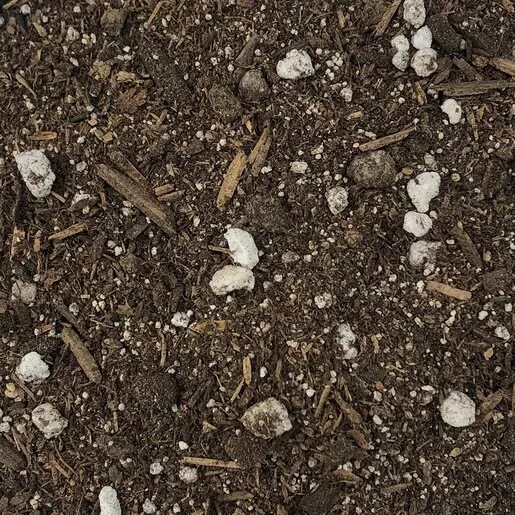
Premium Potting Mix 2 cu. ft. Bag
Original price was: $3.50.$2.24Current price is: $2.24. -
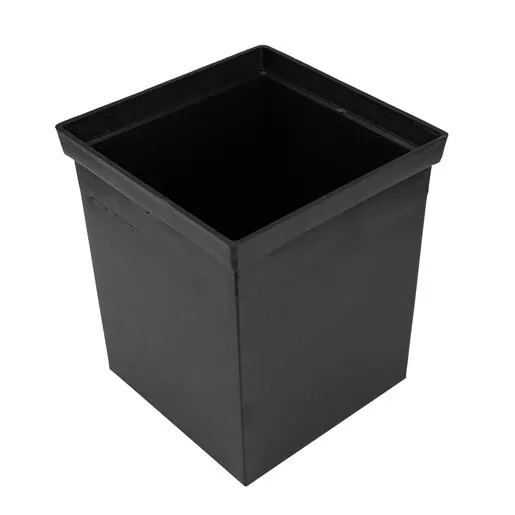
NDS Sump Pump Box Black 12 in. x 12 in. x 14 in.
Original price was: $23.90.$13.01Current price is: $13.01.