
Kalanchoe Flapjacks – Live Starter Plants in 2 Inch Growers Pots – Kalanchoe Thyrsiflora – Drought Tolerant Indoor Outdoor Cacti Succulent Houseplant
Original price was: $15.98.$9.17Current price is: $9.17.
Description
The flapjack succulent (Kalanchoe Thyrsiflora) is also known as a paddle plant because of the paddle or clam-like shape of its leaves that form in rosette clusters. It’s a striking house plant that doesn’t require a lot of maintenance. In the right conditions, this drought-resistant plant can also be grown outside. It will only suit warm regions, but it’s one that can do well in states like Florida. Paddle Plant has typical watering needs for a succulent. It’s best to use the soak and dry method, and allow the soil to dry out completely between waterings. Kalanchoe luciae is not cold hardy, so if you live in a zone that gets colder than 20 F (-6.7 C), it’s best to plant this succulent in a container that can be brought indoors. It does well in full to partial sun. Like all succulents, your flapjacks need at least six hours of sunlight per day. For this one, bright, direct sunlight in the mornings works best since the Flapjacks leaves are quite delicate and can burn easily under the hot afternoon sun.
- The flapjack succulent is also known as a paddle plant because of the paddle or clam-like shape of its leaves that form in rosette clusters. It’s a striking house plant that doesn’t require a lot of maintenance.
- In the right conditions, this drought-resistant plant can also be grown outside. It will only suit warm regions, but it’s one that can do well in states like Florida.
- Paddle Plant has typical watering needs for a succulent. It’s best to use the soak and dry method, and allow the soil to dry out completely between waterings.
- Kalanchoe is not cold hardy, so if you live in a zone that gets colder than 20 F (-6.7 C), it’s best to plant this succulent in a container that can be brought indoors. It does well in full to partial sun.
- Like all succulents, your flapjacks need at least six hours of sunlight per day. For this one, bright, direct sunlight in the mornings works best since the Flapjacks leaves are quite delicate and can burn easily under the hot afternoon sun.
Related products
-
Superior 3/4 #800 Repair Kit Srce
Original price was: $4.33.$2.92Current price is: $2.92. -
Aloe cv. Christmas carol
Original price was: $7.99.$4.36Current price is: $4.36. -
Green Garant hand rakes
Original price was: $9.59.$6.76Current price is: $6.76. -
Cornus canadensis #1
Original price was: $7.20.$3.93Current price is: $3.93. -
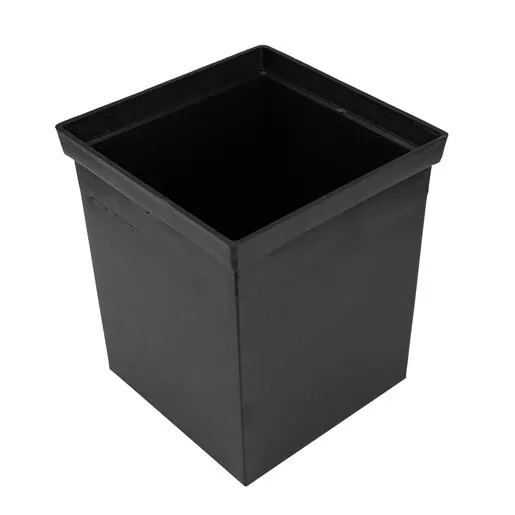
NDS Sump Pump Box Black 12 in. x 12 in. x 14 in.
Original price was: $23.90.$13.01Current price is: $13.01. -
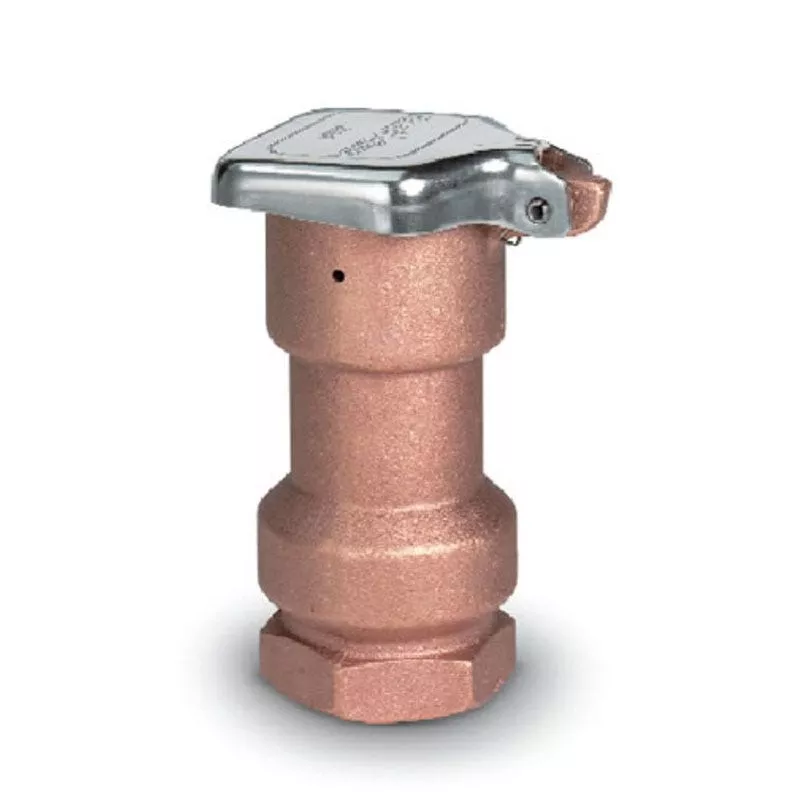
Rain Bird – 1-1/2″ Quick Coupler
Original price was: $48.64.$28.30Current price is: $28.30. -
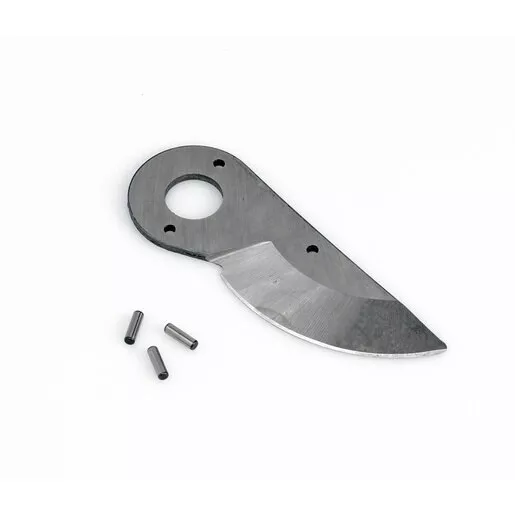
Blade For Bp6250 And Bp4250 Cor
Original price was: $4.54.$3.61Current price is: $3.61. -
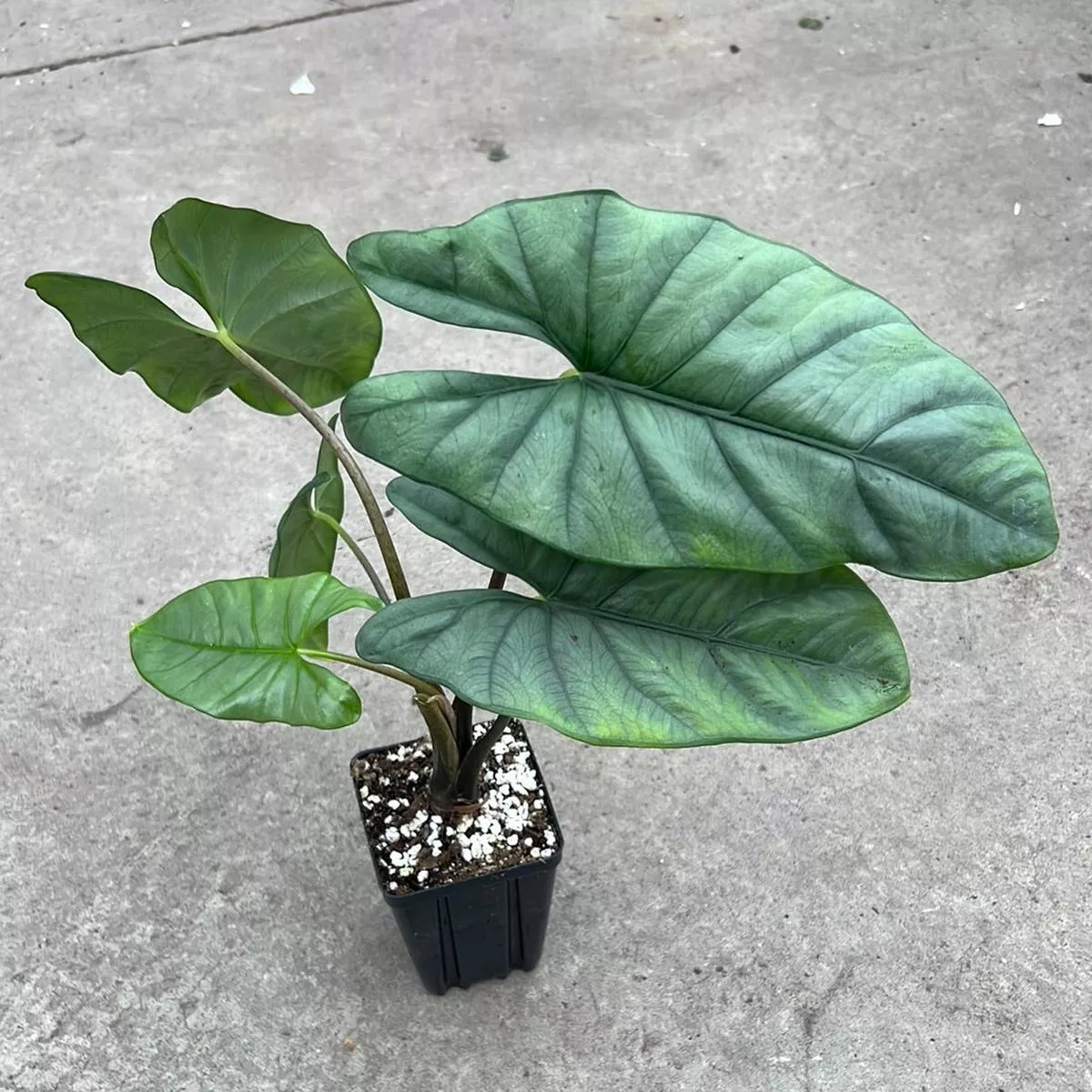
Alocasia’Corazon ’
Original price was: $15.99.$10.64Current price is: $10.64.